


People keep bringing up how the gaming scene reached this huge milestone way sooner than most folks figured it would. By 2025, players are putting in more time inside these digital realms than ever before in the whole history of gaming records. This goes beyond just hype from fresh releases or holiday rushes. It shows a real change in the way individuals around the globe pick their downtime activities, link up with others, and even relax their minds.
Games cover everything from massive open-world role-playing adventures to intense shooter matches and those calm life-sim experiences. Folks head back to these virtual spots every single day. They do not see them purely as fun distractions anymore. For plenty of people, these spaces serve as places to hang out socially, get creative, ease stress, and sometimes even reflect parts of who they are. Hardware keeps getting better, and online links smooth out across different areas, so looking back, this boom seems pretty much bound to happen.
Why Players Are Logging More Hours Than Ever
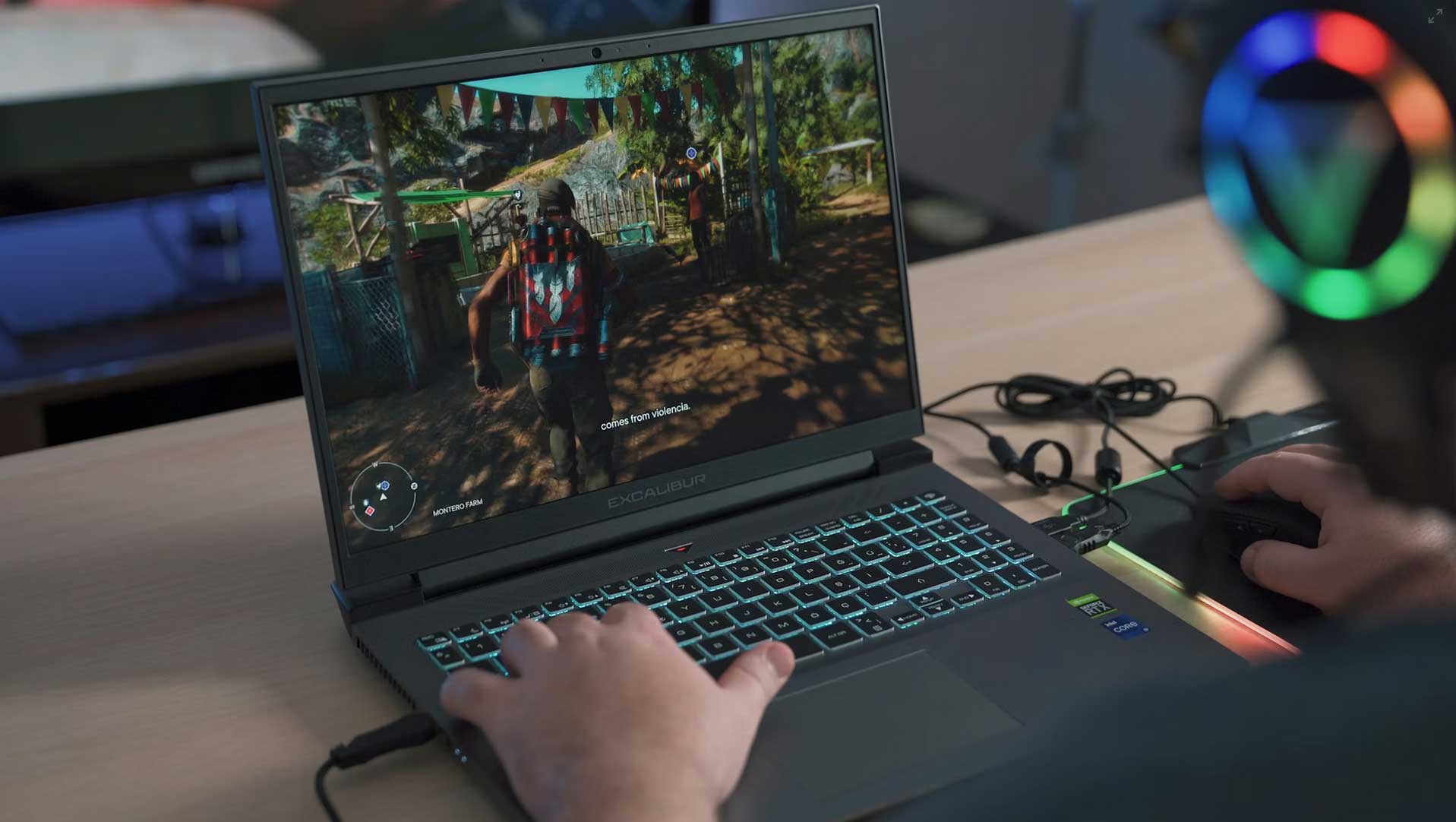
A big part of why this surge took off comes from how long-form games have changed over time. Modern titles build in ways to replay them, with ongoing patches and timed events that give rewards to those who stick around. They include deep progress paths and worlds that evolve as updates roll out, which builds a feeling of connection and commitment that older games struggled to pull off.
Beyond that, cross-platform options have knocked down walls that used to split up buddies based on their gear. It does not matter now if you are on a console, a computer, or some portable setup. That kind of ease actually pushes more regular sessions since friend circles stay together no matter the device.
Then there is the whole thing with generations getting comfortable with it all. Kids who had virtual worlds woven into their daily lives from the start have grown up and kept right on with those patterns without missing a beat. To them, gaming ranks as more than a casual pastime. It stands as their main go-to for fun and often the top choice for catching up with pals.
Virtual Worlds Now Compete With Real-World Entertainment

This change in how players act has put virtual setups right up against old-school entertainment like films, television, and sports events. Those things do not lock in the same chunk of attention anymore. More and more gamers call gaming a source of “better value,” since it delivers tons more hours of good times for the price of one evening out or a monthly stream service. Talks about online downtime often touch on cozy gaming routines alongside quick looks at UK slots, and that mix shows how digital areas now overlap in ways that fuzz up the lines between different pastimes.
For lots of folks, these virtual places prove simpler to reach, way more hands-on, and a better fit for the chaotic schedules of today. You might dip in for just twenty minutes or stick around for a full three hours. That kind of freedom draws people in.
The Evolution of Game Design and Engagement
1. Live-Service Models Keep Players Returning
Live-service setups now run the show like never before. They pump out fresh material all the time, switch up challenges, and run events tied to what the community wants, which keeps everyone coming back active. Creators do not plan these as one-off drops anymore. They craft whole ongoing systems instead.
2. Personal Identity Plays a Larger Role
Think custom looks, character setups, home bases inside the game, and all sorts of cosmetic add-ons. Owning that stuff builds real emotional ties. Your avatar starts to feel like part of you, so heading back just makes sense more often.
3. Communities Drive Longevity
Communities push the lasting power even further. Guilds, rival teams, or easygoing chat groups all forge tight links. Those bonds often survive longer than the game does. The real draw to log in turns into the friends you made there.
How Social Interaction Fuels the Record-Breaking Surge
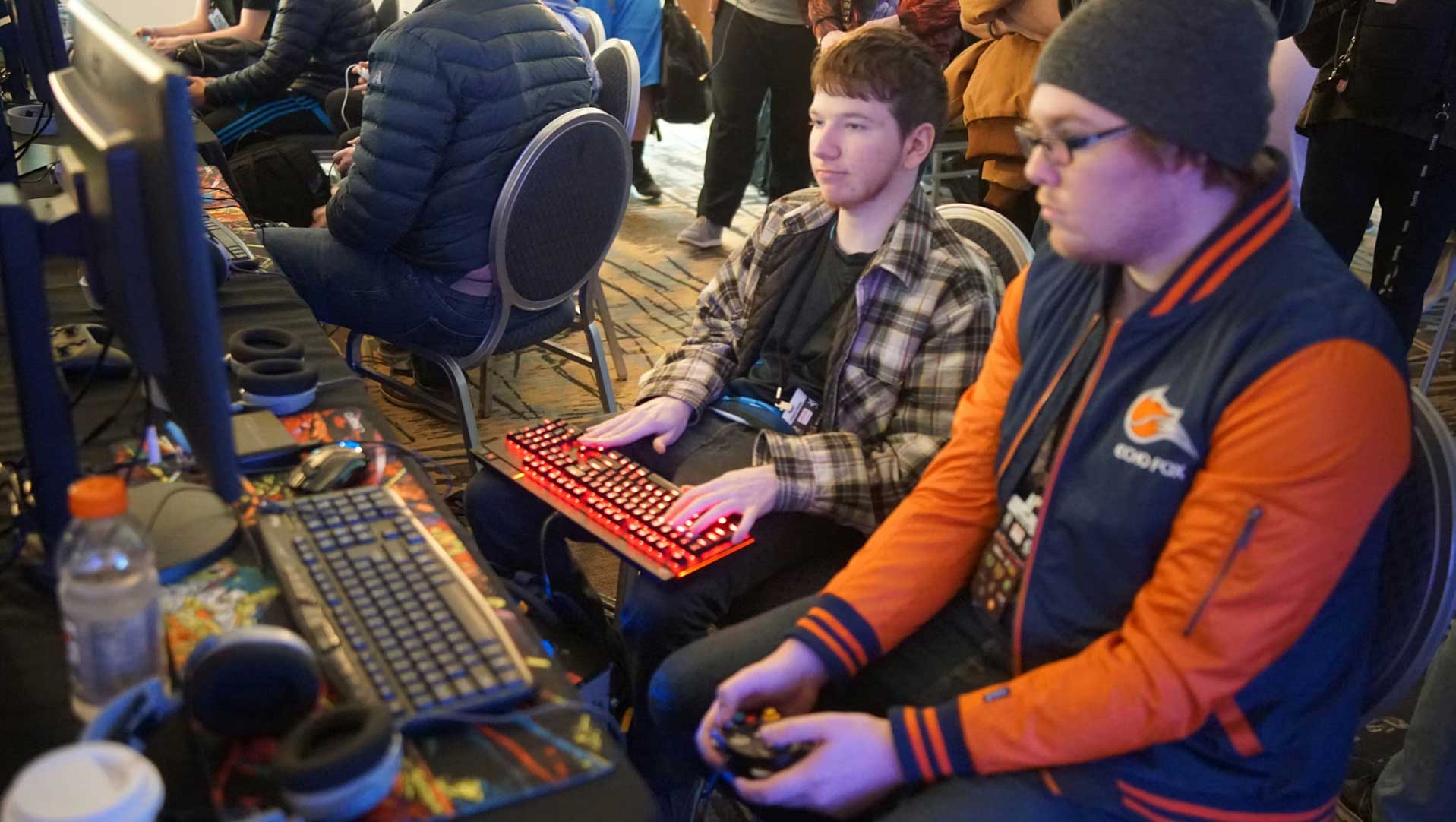
The social side of gaming drives this huge jump in playtime like few other online things do. It mixes planned teamwork with off-the-cuff moments. You can team up on missions, explore wide-open areas side by side, or just chill in a common virtual spot while chatting about what happened that day. Plenty of players point out that gaming takes over spots once filled by coffee shops, outdoor hangs, or evening outings in their regular week.
That change stood out clear when hybrid work caught on wider. Shorter trips to the office and looser timetables opened up slots for gaming late at night or first thing in the morning. These days, it feels normal for people in far-off places to link up inside a game more than they do face-to-face.
What the Surge Means for the Future of Gaming
These sky-high engagement stats point to what lies ahead in gaming. Builders already work on realms that stretch larger, pack in finer details, and link people up tighter. Things like AI that makes non-player characters act smarter, shifting surroundings, and stories tailored just for you sit at the core of what comes next in designs.
Still, some in the field caution that pushing too hard to hold attention might spark exhaustion or pushy ways to make money inside games. Finding balance between the thrill and keeping it healthy long-term will matter a lot as gaming grows further.
One thing stands clear though. Players have taken to these virtual worlds in a manner that flips modern fun on its head. The extra hours poured into gaming do not mark just a quick bump. They fit into a bigger move in culture that puts hands-on experiences right in the middle of daily living.
