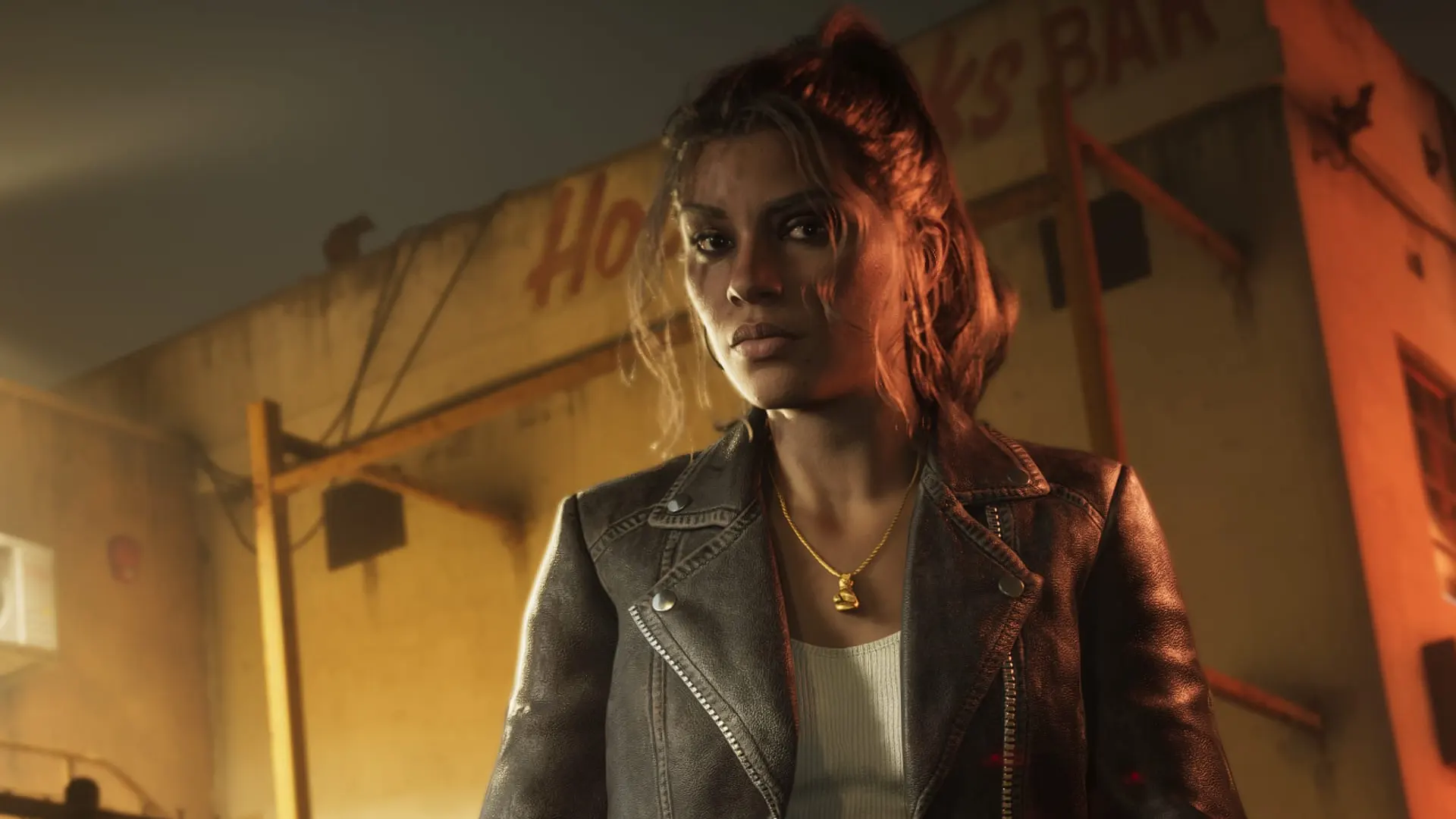
NVIDIA has introduced DLSS 5, its latest AI-driven graphics technology, marking a significant shift from traditional rendering, and it’s looking…different. At its annual GTC keynote, CEO Jensen Huang positioned DLSS 5 as a turning point, ‘bridging the divide between rendering and reality.’
“Twenty-five years after NVIDIA invented the programmable shader, we are reinventing computer graphics once again,” he shared. “DLSS 5 is the GPT moment for graphics – blending handcrafted rendering with generative AI to deliver a dramatic leap in visual realism while preserving the control artists need for creative expression.”
That comparison wasn’t accidental. Similar to generative AI tools that create text or images, DLSS 5 doesn’t just enhance what’s already there – it generates new visual detail in real time.
But is DLSS 5 really bridging the gap between rendering and reality?
Earlier versions of DLSS focused on performance, rendering fewer pixels and using AI to upscale the image. DLSS 5 goes much further. The new system uses real-time neural rendering, taking a single frame and reconstructing it with photorealistic lighting, textures, and materials.
Put simply:
- Old DLSS: “Make this look sharper.”
- DLSS 5: “Let me reinterpret this entire scene.”
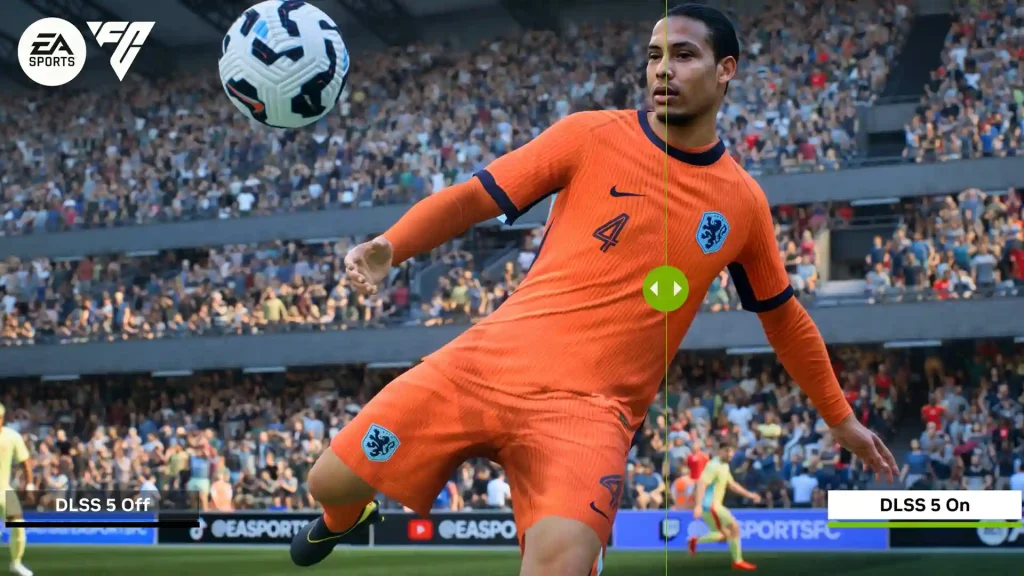
NVIDIA claims this allows games to reach Hollywood-level visual fidelity instantly, something that previously required hours per frame in VFX pipelines.
Is AI “Overcooking” the Image?
This is where most of the backlash is stemming from. While early demos show richer lighting and more lifelike detail, many viewers feel the results look slightly off. As you’ll see in the reveal video linked below, it can sometimes noticeably change character faces, lighting mood, and even artistic vision. This has led to the tech being called ‘AI slop filter’, due to its uncanny and “yassified” look.
Across different games shown in the reveal, from Starfield to Hogwarts Legacy, some feel the visuals begin to look unusually similar, as if seen through the same AI lens. It seems to have lost the handcrafted feel we love in games.
At the heart of the debate is creative control. Game developers have always carefully crafted visual identity, from color grading to lighting style. However, DLSS 5 challenges that control. While NVIDIA says developers can tune or limit the effect, it begs the question – if it’s happening in real time, are developers truly in control of the final outcome?
This tech is undeniably impressive with its leap into the future of graphics, but it does raise uncomfortable questions. When does enhancement change the artist’s identity? Do we need “sloppification” in our quest for realism? And most importantly…does everything need to look this real?
DLSS 5 feels like one of those moments we’ll look back on years later – either as the evolution that pushed the envelope or the point where visuals started losing their soul in favor of real-time neural rendering. Hopefully, a healthy balance can be achieved in the near future.