Total War: Warhammer III just received its biggest expansion yet. Lords of the End Times arrived on September 24 with four new Legendary Lords in Nagash, Boris Todbringer, the Glottkin and Thanquol, plus a large free update that brings Neferata into the roster and reworks the Vampire Counts. It also opens up the Immortal Empires campaign to new players without needing the base game, which makes it a good time to jump in.
Beyond the new units and lore, the expansion is a showcase of the systems that make strategy games so hard to put down. Here are five of the design lessons on display, each one visible not just in Total War but in genres that seem to have nothing in common with it.
1. Hidden Dice Rolls Are What Make a Battle Tense
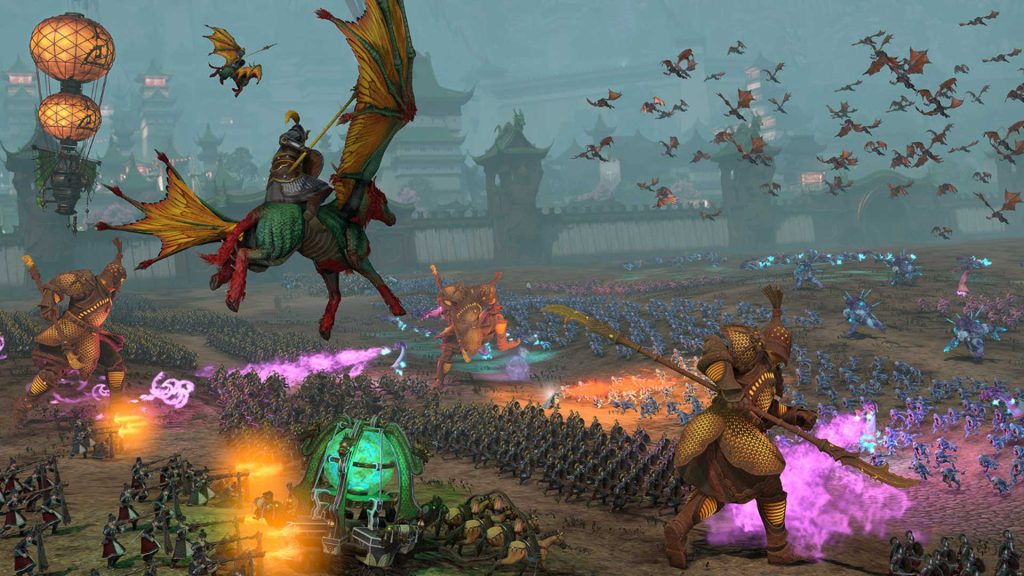
Every clash in a Total War battle runs on hidden dice rolls. When two units meet in melee, each attack has a chance to land that depends on the attacker’s melee skill and the defender’s guard, so an identical matchup can play out a little differently every time. Players who learn how those odds shift with unit stats and flanking tend to win more battles over time.
That mix of skill and chance is what keeps a fight tense, and it is the design principle behind the most popular sweepstakes games too. A feature-rich slot, a classic table game and a fast instant-win title each run on a random number generator, and each wraps that randomness in a different kind of experience. Players who understand how RNG behaves across a session tend to pick titles that match how they want to play.
2. Endgame Scenarios Reward Players Who Adapt

The new End Game Scenarios in Lords of the End Times throw fresh late-game threats at players who thought they had the campaign under control. Corrupting invasions, undead uprisings and cataclysmic events force plans to change once a campaign is well underway, and players who have coasted through the mid-game suddenly have to pivot. It is a design lever that keeps a long strategy campaign from settling into predictability.
3. Resource Economies Give Every Choice a Price

The new Legendary Lords each come with their own economy to manage. Nagash builds necropolises that drain life from the land and feeds upgrades into his Black Pyramid, while Boris works to restore the Great Temple of Ulric for civic and military bonuses. The details of each faction are laid out in the official Lords of the End Times announcement from Creative Assembly, and every one of them asks players to spend a limited resource wisely. Thanquol’s schemes and the Glottkin’s spreading gardens follow a related pattern.
Sweepstakes platforms run a simpler version of this idea with two currencies. Gold Coins are for casual play, while Sweeps Coins are promotional and can be redeemed for prizes, so a player picks which mode to use on each game. The must-try titles on those platforms all support both currencies, which lets players test a game for fun before switching modes, not unlike a Total War player learning a faction on Easy before committing to Legendary.
4. Streaks and Bonus Rounds Reward Momentum
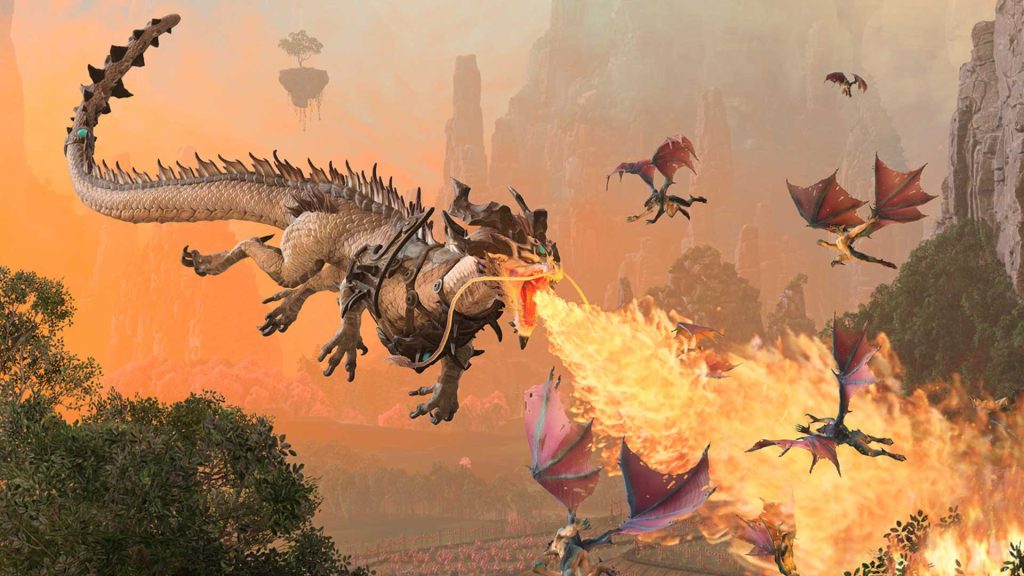
Strategy games reward momentum. A string of won battles in Total War lifts a lord’s rank, unlocks new skills and builds toward bigger engagements, and the payoff feels earned because it builds over time. Our Total War Warhammer 3 factions tier list walks through which lords hit their stride fastest and which need more patience before their kit clicks.
The standout games on sweepstakes sites use related pacing through bonus rounds, free spins and daily login rewards. A slot might trigger a bonus feature after a set of matching symbols, while a daily streak on the platform adds free coins for each day a player returns. Instant-win games take the opposite approach, packing the whole cycle of risk and reward into a single quick round.
5. Faction Variety Is Why the Game Stays Fresh
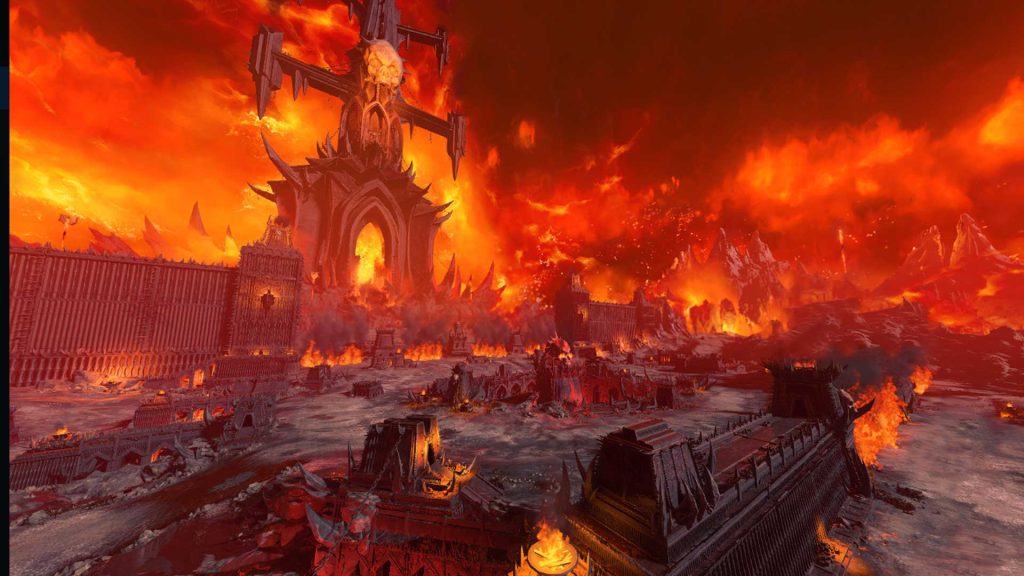
The four new Legendary Lords play nothing like each other. Nagash is a resource-management juggernaut. Boris is a battlefield brawler with a temple to rebuild. Thanquol is a scheming Skaven manipulator. The Glottkin corrupt everything they touch. That variety is what has kept Total War: Warhammer III alive across nearly a decade, and it is what game designers reach for when they want players to keep coming back. Game mechanics literacy pays off across every genre, and once you have watched these building blocks at work in a Nagash campaign, spotting them elsewhere becomes second nature.